

Not every older dog needs a “senior” formula. According to Cornell University’s College of Veterinary Medicine, there is no true reason to switch to a senior-labeled diet unless your dog shows specific problems such as lean body wasting, arthritis, or obesity. Feed based on body condition and diagnosed health needs, not the number on your dog’s birthday cake.
Here is where to start right now:
- Check weight and body condition score (BCS). Run your hands along your dog’s ribs. You should feel them easily but not see them. If you cannot feel them at all, or if your dog’s waist has disappeared, that is a signal.
- Assess muscle condition score (MCS). Look at the muscles over the spine and hindquarters. Visible muscle loss, even in a dog at a normal weight, is a clinical concern.
- Book a vet visit for baseline bloodwork if your dog has not had a full panel in the past 6–12 months. Kidney values, liver enzymes, and thyroid levels all inform what your dog should be eating.
Pro Tip: Bring a photo of your dog’s body from above and from the side to your next vet appointment. It takes 30 seconds and gives your vet a baseline they can compare against at the next visit.
Table of Contents
- When is a dog considered “senior”?
- What signs tell you it is time to change your dog’s diet?
- Which nutrients matter most in a senior dog’s diet?
- How do you manage calories and weight in an older dog?
- How do you handle appetite changes and keep seniors hydrated?
- Which conditions require a prescription or therapeutic diet?
- What supplements are worth considering for senior dogs?
- How do you transition foods and set up a practical feeding routine?
- Research-backed hydration tips and low-calorie snack ideas
- Red flags that need urgent veterinary attention
- Key Takeaways
- What most senior dog nutrition guides get wrong
- Petbite has what your senior dog needs, delivered to your door
- Useful sources and further reading
When is a dog considered “senior”?
Chronological age is a starting point, not a verdict. A 7-year-old Great Dane is geriatric; a 7-year-old Chihuahua is middle-aged. Size and breed drive the timeline more than the calendar does.
| Size category | Approximate weight | Senior age range |
|---|---|---|
| Small breeds | Under 20 lbs | 10–12 years |
| Medium breeds | 20–50 lbs | 8–10 years |
| Large breeds | 50 lbs | 7–8 years |
| Giant breeds | 50 lbs and above | 5–6 years |
Beyond age brackets, two scores matter more than any label.
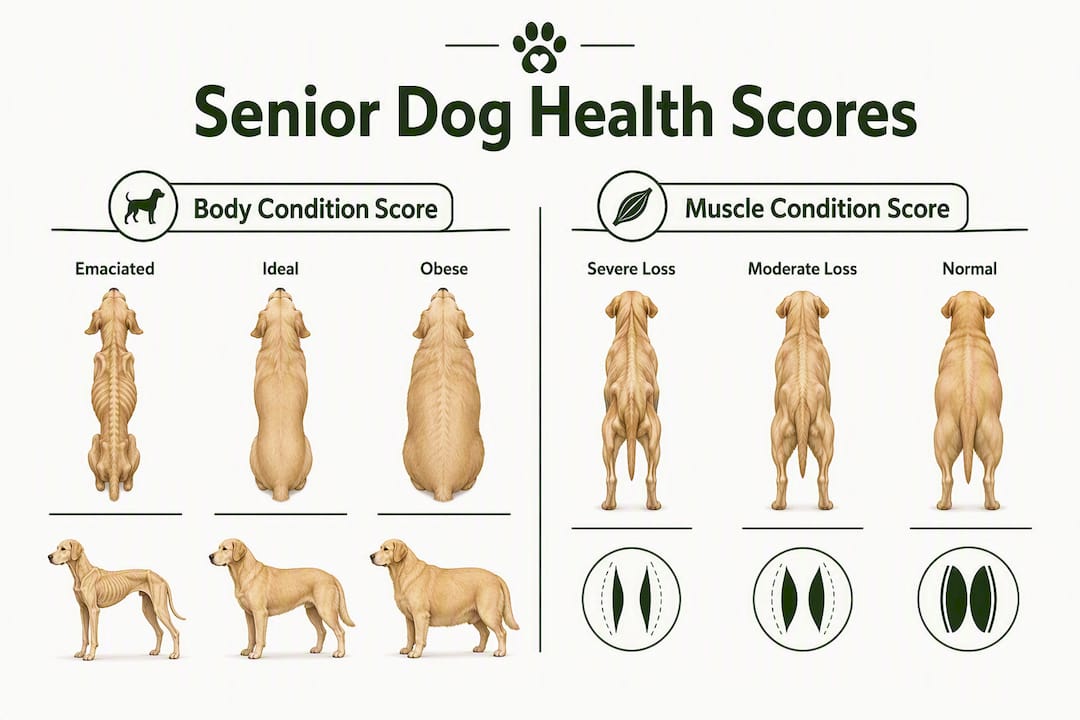
Body Condition Score (BCS) rates fat coverage on a 1–9 scale (1 = emaciated, 9 = obese). A score of 4–5 is ideal. Most owners can learn to assess BCS at home in under two minutes using a chart from their vet.
Muscle Condition Score (MCS) is the one most owners miss. Lean body mass, not body weight alone, predicts health outcomes in older dogs. A dog can be overweight on the scale and still be losing muscle over the spine and hips, which is a clinically important problem that a BCS check alone will not catch. Your vet grades MCS as normal, mild, moderate, or severe wasting.
Periodic senior wellness visits, typically every 6 months for dogs over 7, combined with simple bloodwork and urinalysis, are what actually inform smart dietary choices. No food label replaces that data.
What signs tell you it is time to change your dog’s diet?
Calendar age alone is a weak trigger. These clinical and behavioral signs are the real signals:
- Progressive lean-muscle loss over the spine, hips, or shoulders, even when body weight is stable
- New-onset obesity combined with reduced mobility or reluctance to exercise
- Early arthritis symptoms: stiffness after rest, difficulty on stairs, reluctance to jump
- Chronic gastrointestinal issues: loose stools, frequent gas, or inconsistent digestion lasting more than two weeks
- Reduced appetite that persists beyond a day or two, especially paired with weight loss
- Dental problems that make chewing hard kibble painful or slow
Before making any long-term diet change, get baseline bloodwork and urinalysis. Kidney disease, liver dysfunction, and thyroid imbalance all mimic simple “aging” changes and require completely different dietary responses. Treating a dog with early chronic kidney disease (CKD) as though they just need more protein is a mistake that accelerates the condition.
The practical workflow: spot the sign, weigh your dog and record BCS and MCS, call your vet, then consider a targeted or therapeutic diet based on what the lab results show. When appetite drops significantly and does not recover, veterinarians may consider prescription appetite stimulants such as capromorelin (Entyce) under close medical supervision.
Which nutrients matter most in a senior dog’s diet?
Protein: the most misunderstood nutrient for older dogs
The old advice to cut protein in senior dogs to protect their kidneys has been thoroughly debunked for healthy animals. Protein restriction is indicated only when chronic kidney disease is already diagnosed and managed by a veterinarian. For healthy seniors, the opposite is true: higher-quality protein preserves lean muscle mass, which declines naturally with age.
Veterinary nutrition research commonly cites crude protein targets of around 28–32% on a dry matter basis for healthy senior dogs, which is often higher than AAFCO minimums. Named animal proteins (chicken, salmon, beef, lamb) listed first on the ingredient panel are a reliable indicator of quality and digestibility.
Pro Tip: “Named animal protein first” is a useful screen, but digestibility matters more than position on the label. A food with chicken meal as the second ingredient can deliver more usable protein than one with whole chicken first, because meal is already moisture-reduced.
Fats and omega-3 fatty acids
Fat provides concentrated energy and carries fat-soluble vitamins. For seniors, the more targeted benefit comes from long-chain omega-3 fatty acids, specifically EPA and DHA from marine sources. These support joint health, cognitive function, and coat condition. The catch: the doses needed to reduce joint inflammation are higher than what most retail senior formulas contain. If your dog has diagnosed arthritis, a targeted supplement or therapeutic diet is usually necessary to reach effective levels.
Phosphorus and sodium
For a healthy senior, standard adult or senior-formula phosphorus levels are generally fine. Once CKD is diagnosed, phosphorus restriction becomes a priority because the kidneys lose their ability to excrete it efficiently. Sodium control matters primarily for dogs with confirmed hypertension or cardiac disease. Do not restrict either nutrient preemptively in a healthy dog without veterinary guidance.
Fiber and digestive support
Gut motility slows with age. A mix of soluble fiber (which feeds beneficial gut bacteria and softens stool) and insoluble fiber (which adds bulk and supports transit) helps maintain stool quality and digestive comfort. Beet pulp, psyllium, and pumpkin are common sources. Probiotics can also support stool consistency in dogs with slower transit. The goal is regularity, not dramatic fiber loading.
How do you manage calories and weight in an older dog?
Activity levels and metabolic rate commonly fall as dogs age, which means the same portion that kept your dog lean at four years old may cause gradual weight gain at nine. Some studies show that controlled calorie intake, roughly 20–25% fewer calories than unrestricted feeding, is associated with lifespan and health benefits in adult dogs. That does not mean starving your dog. It means portion discipline and regular monitoring.
The trickier scenario is unintentional weight and muscle loss in a senior who is eating normally. That pattern points to poor nutrient absorption, underlying disease, or inadequate protein, not simply “getting old.”
Here is a simple monitoring and adjustment plan:
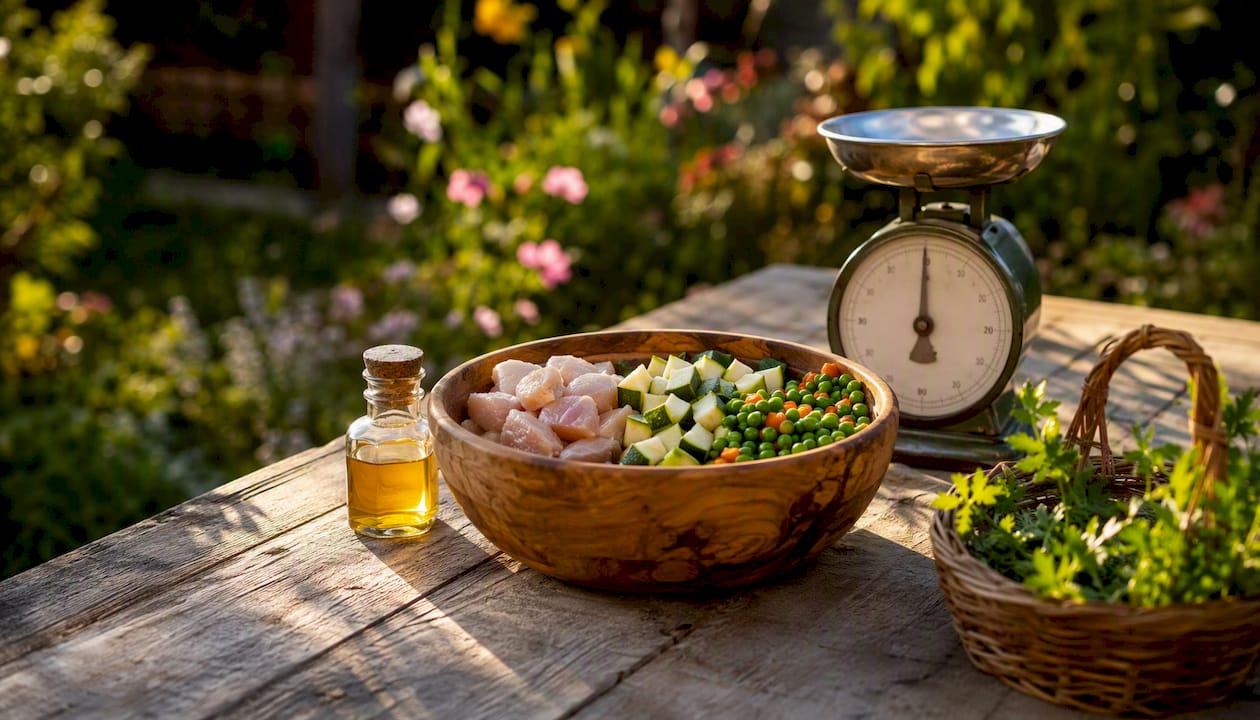
- Weigh your dog every 2–4 weeks on the same scale, at the same time of day. Record the number.
- Assess BCS and MCS monthly. Note any change in rib coverage or muscle fullness over the spine.
- Adjust portion size by 10% (up or down) based on what you observe, then recheck weight in 2–4 weeks before adjusting again.
- Contact your vet if your dog loses more than 5–10% of body weight over 4–6 weeks without a clear dietary cause, or if muscle loss is progressing despite adequate food intake.
- Track treat calories separately. Treats count. A handful of standard biscuits can add 100–200 calories to a small dog’s day, which is significant.
How do you handle appetite changes and keep seniors hydrated?
Senior dogs frequently lose some sense of smell and taste, and palatability and food scent often determine whether an older dog will eat. A dog that suddenly seems picky may not be stubborn; the food may simply not smell appealing enough to motivate eating.
Practical fixes that actually work:
- Warm the food slightly (microwave wet food for 10–15 seconds, stir, and check temperature). Warming releases aroma and often triggers immediate interest.
- Add a splash of low-sodium broth (chicken or beef, no onion or garlic) to dry kibble.
- Mix wet and dry food. Even a small amount of wet food on top of kibble changes the texture and scent profile enough to encourage eating.
- Rotate protein sources gradually if your dog tolerates it. Monotony can reduce interest over time.
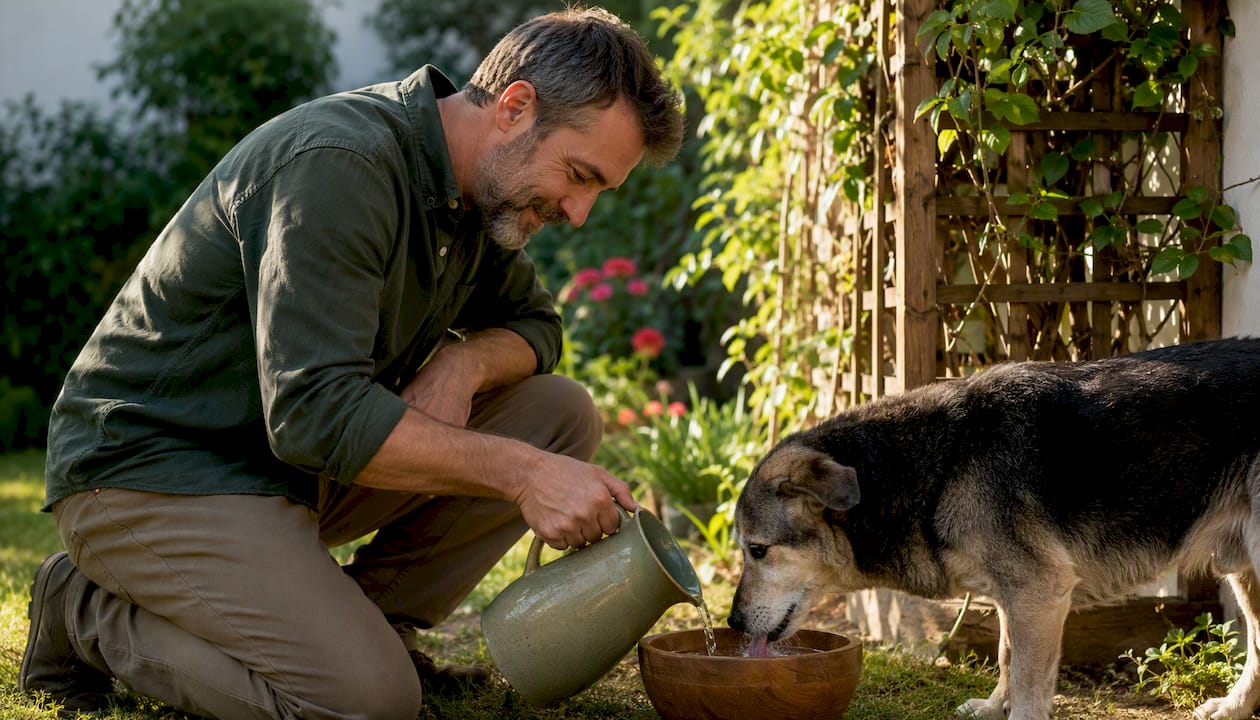
Hydration is the other half of this equation. Senior dogs are more prone to dehydration and may simply forget to drink. Place multiple water bowls in different rooms. A pet fountain with moving water attracts some dogs that ignore still bowls. Canned food is roughly 70–80% moisture, making it one of the most effective ways to increase daily water intake without forcing anything.
Monitor bowl levels daily. If your dog is drinking noticeably more or less than usual, that is worth a call to your vet, not just a note in the back of your mind.
When appetite loss persists beyond 48 hours, or when it is paired with weight loss or lethargy, it crosses from palatability issue into medical concern territory.
Which conditions require a prescription or therapeutic diet?
Prescription diets are medical therapies, not premium food upgrades. Use them only under veterinary direction, with regular monitoring to confirm they are working.
| Condition | Primary dietary goals | Key nutrient adjustments |
|---|---|---|
| Chronic kidney disease (CKD) | Slow disease progression | Reduced phosphorus; protein tailored to disease stage |
| Cardiac disease | Reduce fluid retention | Controlled sodium; adequate taurine and L-carnitine |
| Obesity | Reduce fat mass, preserve muscle | Calorie restriction; higher protein-to-calorie ratio |
| Severe GI disease | Reduce digestive burden | Highly digestible, low-fat; sometimes hydrolyzed protein |
| Liver disease (hepatic) | Reduce ammonia load | Moderate, high-quality protein; added antioxidants |
| Urinary/struvite stones | Alter urine pH and mineral load | Controlled magnesium, phosphorus, and protein |
Transitioning onto a therapeutic diet should be gradual (7–10 days minimum) and monitored for stool changes, appetite, and energy. Coming off a therapeutic diet also requires a vet’s guidance, particularly for CKD and cardiac conditions where the nutritional targets are precise.
Pro Tip: If your dog refuses a prescription diet outright, tell your vet before giving up. Some conditions allow for palatability adjustments or alternative formulas within the same therapeutic category. Abandoning the diet silently is the worst outcome.
What supplements are worth considering for senior dogs?
Supplements are adjuncts. They support a good diet; they do not replace one. With that said, several have genuine clinical rationale for older dogs.
- Glucosamine and chondroitin: Widely recommended for dogs with arthritis or early joint changes. Veterinarians commonly recommend these alongside green-lipped mussel for dogs with mobility challenges. Evidence for symptom relief is moderate; the safety profile is good.
- Marine-sourced omega-3s (EPA/DHA): The most evidence-backed supplement for joint inflammation and cognitive support. The effective dose for arthritis is higher than what most retail foods provide, so targeted supplementation is often needed. Petbite carries the Blends for Life Shield Mobility Pet Supplement, which is formulated for joint support.
- SAMe (S-adenosylmethionine): Used for cognitive dysfunction and liver support in older dogs. Requires consistent dosing and is best initiated with veterinary guidance.
- Collagen support: May benefit dogs with joint or skin issues. Petbite stocks the Blends for Life Collagen Support Pet Supplement for owners exploring this option.
Safety reminders worth keeping in mind: the supplement industry for pets is not as tightly regulated as pharmaceuticals. Buy through your veterinarian or from brands that provide third-party testing documentation. Some supplements interact with medications (fish oil with anticoagulants, for example), so always disclose what your dog is taking at every vet visit.
Pro Tip: Start one supplement at a time and give it 6–8 weeks before evaluating. Adding three things at once makes it impossible to know what is helping, and it increases the risk of a GI reaction you cannot trace.
How do you transition foods and set up a practical feeding routine?
The 7–10 day transition plan
Abrupt food changes cause GI upset in most dogs, and senior digestive systems are less forgiving than younger ones.
- Days 1–3: 75% old food, 25% new food. Watch stool consistency and appetite.
- Days 4–6: 50/50 split. If stool is loose, slow down and hold this ratio an extra 2–3 days.
- Days 7–9: 25% old food, 75% new food. Energy and appetite should remain stable.
- Day 10: Full transition to new food. Continue monitoring for 1–2 weeks.
If vomiting or significant diarrhea occurs at any stage, stop and call your vet before continuing.
Feeding frequency and scenarios
Portion-feeding older dogs two or more times per day, rather than free-feeding, lets you spot appetite changes early and control daily calorie intake more precisely.
| Scenario | Recommended frequency | Notes |
|---|---|---|
| Healthy senior, normal appetite | 2 meals/day | Consistent timing helps regulate digestion |
| Dental issues or slow eating | 2–3 smaller meals/day | Soften kibble with warm water or broth |
| Obesity management | 2–3 measured meals/day | Weigh portions; no free-feeding |
| Reduced appetite or weight loss | 3 smaller meals/day | Add wet food for palatability and calories |
Treat guidelines
Keep treats under 10 calories per piece where possible. Count them in your dog’s daily calorie budget, not as extras. Low-calorie options like green beans, baby carrots, and cucumber slices work well. For packaged treats, Charlee Bear grain-free options (available at Petbite) are small, low-calorie, and easy to portion. Avoid table scraps, which are often high in sodium and fat and disrupt the calorie math you are trying to maintain.
Research-backed hydration tips and low-calorie snack ideas
Low-calorie snacks your senior dog can actually eat
Green beans, carrots, cucumbers, broccoli, and berries all come in under 10 calories per piece and are safe for most dogs. Blueberries and strawberries add antioxidants. Avoid grapes, raisins, onions, and anything with xylitol.
- Green beans: Crunchy, filling, and nearly calorie-free. Great for overweight seniors.
- Baby carrots: Slightly higher in natural sugar than green beans but still low-calorie and good for chewing.
- Cucumber slices: High water content, very low calorie, and most dogs enjoy the texture.
- Blueberries: Small, antioxidant-rich, and easy to use as training rewards.
Hydration action checklist
- Check and refill water bowls at least twice daily.
- Wash bowls every 1–2 days. Biofilm builds up quickly and can deter drinking.
- Place bowls in multiple locations, especially if your dog has mobility issues.
- Consider a pet water fountain. Moving water stays oxygenated and attracts reluctant drinkers.
- Monitor urination frequency and urine color. Pale yellow is ideal; dark yellow or amber signals dehydration.
Three quick kibble-moistening ideas
- Warm low-sodium chicken broth: Pour 2–3 tablespoons over kibble and let it soak for 2 minutes before serving. Avoid broths with onion, garlic, or high sodium.
- Plain canned pumpkin: One to two teaspoons mixed into food adds moisture, fiber, and a scent most dogs find appealing. Use plain pumpkin, not pie filling.
- Warm water soak: Simply adding warm water to dry kibble softens it for dogs with dental pain and releases aroma that improves palatability.
Pro Tip: If your dog is drinking noticeably more water than usual, do not assume it is just the weather. Increased thirst in a senior dog is one of the earliest signs of kidney disease, diabetes, or Cushing’s disease. It warrants a vet call within a few days, not a few weeks.
Red flags that need urgent veterinary attention
Most dietary adjustments can wait for a scheduled appointment. These cannot.
Before the appointment, record: how long the symptom has been present, the last time your dog ate and drank normally, stool frequency and appearance over the past 48 hours, any new foods, treats, medications, or environmental exposures, and your dog’s current weight if you have a recent measurement.
For severe symptoms (collapse, breathing difficulty, blood), go to an emergency veterinary clinic immediately rather than waiting for your regular vet’s next opening. For concerning but non-emergency signs (appetite loss, mild lethargy, loose stool for 24–48 hours), call your regular vet first and follow their triage guidance.
Key Takeaways
A healthy senior dog’s diet should be built around body condition, muscle mass, and lab results, not a “senior” label on the bag.
| Point | Details |
|---|---|
| Senior label is not automatic | Switch to a senior formula only when specific problems like muscle loss, obesity, or arthritis are present. |
| Protein stays high for healthy seniors | Restrict protein only for diagnosed CKD; healthy seniors need 28–32% DMB to preserve lean muscle. |
| Calorie control extends health | Reducing calories by 20–25% below unrestricted intake is associated with health benefits in adult dogs. |
| Hydration needs active management | Senior dogs may forget to drink; multiple bowls, wet food, and daily monitoring all help. |
| Petbite supports senior care locally | Petbite carries senior-appropriate wet foods, joint supplements, and low-calorie treats, with free same-day delivery within 3km of Orléans. |
What most senior dog nutrition guides get wrong
The conventional framing of senior dog nutrition goes something like this: your dog turns seven, you switch to a senior formula, and you reduce protein to protect the kidneys. Every part of that sentence is either outdated or oversimplified.
The protein restriction myth is the most damaging. It persisted for decades because early research on human kidney disease was applied to dogs without adequate evidence. The result was a generation of older dogs fed low-protein diets that accelerated muscle loss, which is itself a predictor of poor health outcomes. The current veterinary consensus, backed by Cornell and Vetstreet, is the opposite: healthy seniors need more high-quality protein, not less.
The “senior formula” label is the second problem. As VCA notes, commercial senior formulas vary widely in nutrient profiles, and the label is a marketing category, not a standardized nutritional requirement. Some senior formulas are genuinely well-formulated. Others are simply adult food with a different bag. The only way to know is to read the guaranteed analysis, check the protein source, and compare it against what your dog’s vet recommends based on actual bloodwork.
What actually works is individualized, vet-supervised nutrition with regular reassessment. That means scheduled weigh-ins, BCS and MCS checks, periodic bloodwork, and a willingness to adjust the diet as the dog’s health evolves. A dog with early arthritis at nine may need a different diet at eleven when CKD appears. Static feeding plans do not serve aging dogs well.
The owners who get this right are not the ones who buy the most expensive bag with “senior” on the label. They are the ones who treat feeding as an ongoing conversation with their veterinarian, not a one-time decision.
Petbite has what your senior dog needs, delivered to your door
Translating veterinary guidance into actual food in the bowl is where most owners get stuck. Petbite makes that step straightforward. For seniors who need higher palatability and moisture, the PetKind Tripett wet food line offers named-protein, high-moisture options that work well for dogs with reduced appetite or dental sensitivity. For owners who prefer dry food with quality protein sourcing, the PetKind Canada Fresh CF1 Red Meat Formula is a grain-free dry option built on named animal proteins.
Petbite also stocks joint-support supplements, collagen formulas, and low-calorie treats, all from trusted Canadian brands. Certified groomers are available for seniors who need a stress-free coat and dental-care session. And if your dog needs something today, free same-day delivery within 3km of the Orléans location means you do not have to make a trip.
One important note: Petbite’s products support general senior health and comfort. They are not a substitute for a veterinarian-prescribed therapeutic diet when a medical condition like CKD, cardiac disease, or hepatic disease is present. Always follow your vet’s guidance for those cases.
Browse senior-appropriate options at petbite.ca or stop in to talk through what your dog needs.
Useful sources and further reading
The recommendations in this article draw from the following veterinary and clinical sources:
- Choosing food for your senior dog | Cornell University College of Veterinary Medicine: Individualized senior nutrition guidance, including the position on senior-formula necessity and protein recommendations from Dr. Joseph Wakshlag.
- Feeding Mature and Senior Dogs | VCA Animal Hospitals: Practical guidance on calorie control, hydration, meal frequency, and the variability of commercial senior formulas.
- How Much Protein Does a Senior Dog Need? Vet Guide | Vetstreet: Evidence-based protein targets for healthy seniors and the debunking of routine protein restriction.
- Best senior dog food (vet-verified) | PetMD: Palatability and wet-versus-dry food guidance for older dogs with reduced appetite.
- Vet-Recommended Best Dog Food for Senior Dogs | Foxcreek Veterinary Hospital: Joint-support supplement recommendations from a clinical veterinary perspective.
This article provides general educational information about senior dog nutrition. It is not a substitute for professional veterinary advice. Consult your veterinarian for a plan tailored to your dog’s specific health status and needs.