

Most healthy dogs need a bath roughly once a month on average, though the real range depends widely on the dog, from weekly to several times a year. Three things change that number: coat type, activity level, and any skin condition your vet is treating. If you bathe your dog because you can’t stand the smell of your own couch, that’s a fair reason too, but it’s worth knowing the difference between a bath your dog needs and one that’s really for you.
- Coat type: hairless and oily-coated breeds often need weekly washes; double-coated breeds usually need far fewer.
- Lifestyle: a dog that swims, hikes, or rolls in questionable substances needs baths more often than a couch companion.
- Health: allergies, infections, or vet-prescribed medicated shampoos override any general rule.
Pro Tip: If you’re reaching for the shampoo because of odor after only a few days, check your dog’s ears, skin folds, and teeth first. A smell that returns fast is often a health issue, not a hygiene one.
Key Takeaways
Dog bathing frequency depends on coat type and lifestyle more than any fixed calendar rule, and overbathing damages skin health as often as underbathing does.
| Point | Details |
|---|---|
| Start with once a month | Use it as a baseline, then adjust up or down based on coat, activity, and skin health. |
| Match schedule to coat type | Hairless breeds may need weekly baths; double coats often go 6 to 8 weeks. |
| Watch for overbathing signs | Flaky skin, constant itching, and returning odor mean you’re bathing too often. |
| Brush between baths | Regular brushing prevents mats and stretches the time between full washes. |
| Book Petbite for tricky coats | Petbite’s certified groomers and gentle shampoo options handle sensitive skin and matting. |
Trusted Resources on Dog Bathing and Skin Health
- PetMD on general bathing frequency guidance.
- American Kennel Club on breed-specific coat care.
- ASPCA grooming tips for general dog care.
- Hill’s Pet on health checks during bath time.
- Always consult your veterinarian before starting a medicated-bath regimen.
Table of Contents
- What Determines How Often to Bathe a Dog?
- How Often Should You Bathe a Dog by Coat Type?
- When Is Bathing a Dog Too Often?
- What Grooming Reduces the Need for Full Baths?
- Which Shampoo Should You Use for Your Dog?
- When Should You See a Vet or Groomer?
- How Petbite Makes Bath Day Easier
- Frequently Asked Questions
- Sources
What Determines How Often to Bathe a Dog?
A single “right” answer doesn’t exist for dog bathing frequency, and PetMD notes that breed, coat, lifestyle, and season all push the number in different directions. Coat type matters most. A single, short coat sheds dirt easily and produces less oil buildup than a thick double coat, which traps moisture, allergens, and odor close to the skin.
Skin conditions change everything. A dog on a dermatologist-prescribed routine might need medicated baths weekly regardless of coat type, while a healthy dog with the same coat could go two months between washes. Age matters too: puppies have more sensitive skin and thinner protective barriers, and senior dogs often develop drier skin that reacts poorly to frequent lathering.
Then there’s activity. A working farm dog or a weekend hiking partner picks up dirt, allergens, and parasites faster than a mostly-indoor companion.
- Short, smooth coats (Beagles, Boxers): naturally low-maintenance between baths.
- Double coats (Labradors, Huskies): need fewer full baths but more brushing.
- Long or curly coats (Poodles, Shih Tzus): prone to matting if bathing and brushing don’t happen together.
Seasonality shifts the equation further. Warmer, humid months increase grease and parasite exposure, while winter dryness calls for moisturizing products and a lighter touch.
How Often Should You Bathe a Dog by Coat Type?
Coat type is the single best predictor of a workable bathing schedule for dogs, and the ranges below reflect what vets and groomers generally recommend, with room to adjust for your specific dog.
- Short, smooth coats (Beagle, Boxer, Dalmatian): every 2 to 3 months. Hill’s Pet notes that regular baths on these dogs double as a chance to check for lumps or skin changes.
- Short, dense/double coats (Labrador Retriever, Corgi): every 6 to 8 weeks, with weekly brushing during shedding season to manage the undercoat.
- Double-coated northern breeds (Husky, Malamute): can often stretch to every 2 to 3 months, since double-coated dogs typically need fewer full baths than their single-coated counterparts.
- Medium to long coats (Golden Retriever, Collie): every 4 to 6 weeks, since longer coats tend to trap more dirt and need more frequent washing to stay mat-free.
- Curly coats (Poodle, Bichon Frise): every 3 to 4 weeks, paired with regular brushing to prevent tangles from tightening into mats.
- Corded coats (Puli, Komondor): far less often once cords fully form. The Puli Club of America notes that corded coats are managed with a very different routine than standard breeds, and general rules simply don’t apply.
- Hairless breeds (Xoloitzcuintli, Chinese Crested): weekly, since bare skin produces oils that would normally be absorbed by fur.
Exceptions matter as much as the schedule. Puppies under 12 weeks should stick to gentle, infrequent baths since their skin barrier is still developing. Working or hunting dogs may need a rinse after every outing regardless of coat type. And any dog on a vet-prescribed medicated regimen follows that schedule over anything listed here.
When Is Bathing a Dog Too Often?
Overbathing is a real, common problem, and it happens more from good intentions than neglect. Stripping natural oils too frequently breaks down the skin’s protective barrier, which can lead to dry, flaky, or irritated skin, and paradoxically, more odor as the skin overproduces oil to compensate.
Watch for these signs your dog is being bathed too often:
- Flaky or visibly dry skin, especially along the back and hindquarters.
- Constant scratching or licking that wasn’t there before.
- A dull, brittle coat that used to have more shine.
- Odor returning faster after each bath instead of lasting longer.
One veterinary clinic explains that many owners mistake bathing for cleaning, when frequent washing actually disrupts the skin barrier that keeps a dog healthy in the first place. If you notice these signs, cut back to a longer interval, switch to a moisturizing shampoo, and see a vet if the irritation doesn’t settle within a couple of weeks.
What Grooming Reduces the Need for Full Baths?
Most of the work that keeps a dog clean happens between baths, not during them. Building a short routine cuts down on how often you need a full wash and catches problems before they become skin issues.
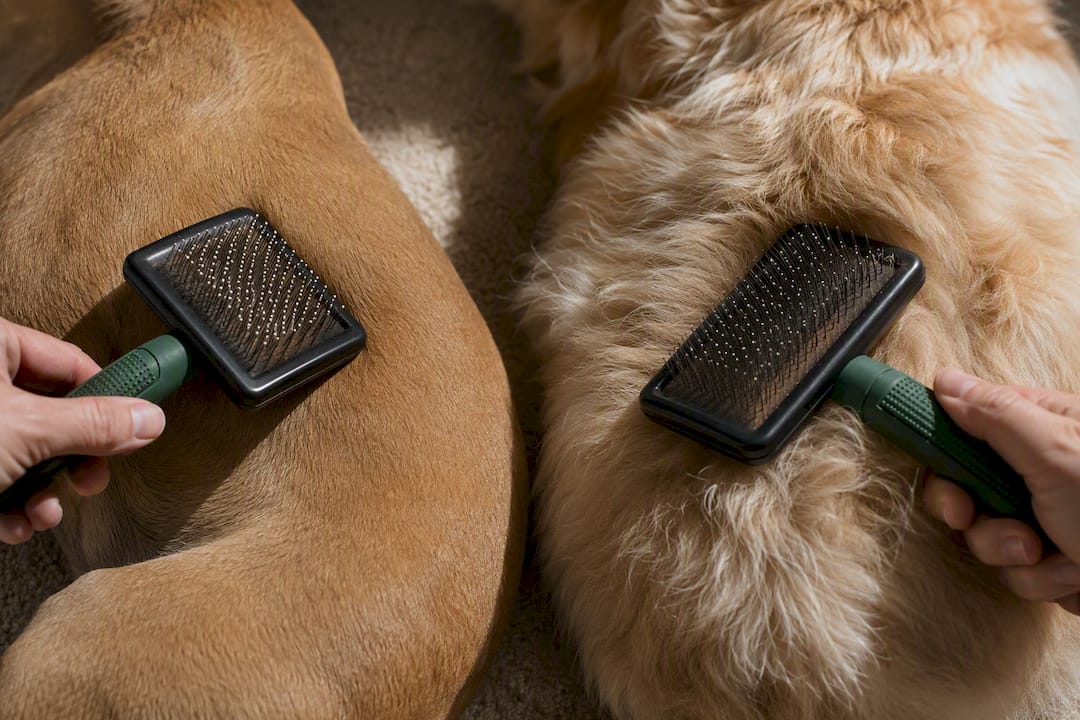
- Brush according to coat type: daily for curly or long coats, two to three times weekly for double coats, weekly for short coats.
- Spot-clean high-traffic areas: paws, belly, and rear after walks or outdoor time.
- Use grooming wipes for quick cleanups when a full bath isn’t warranted.
- Try dry shampoo between baths for dogs with oily coats or strong odor.
- Check ears and paws weekly for buildup, redness, or debris that a bath alone won’t catch.
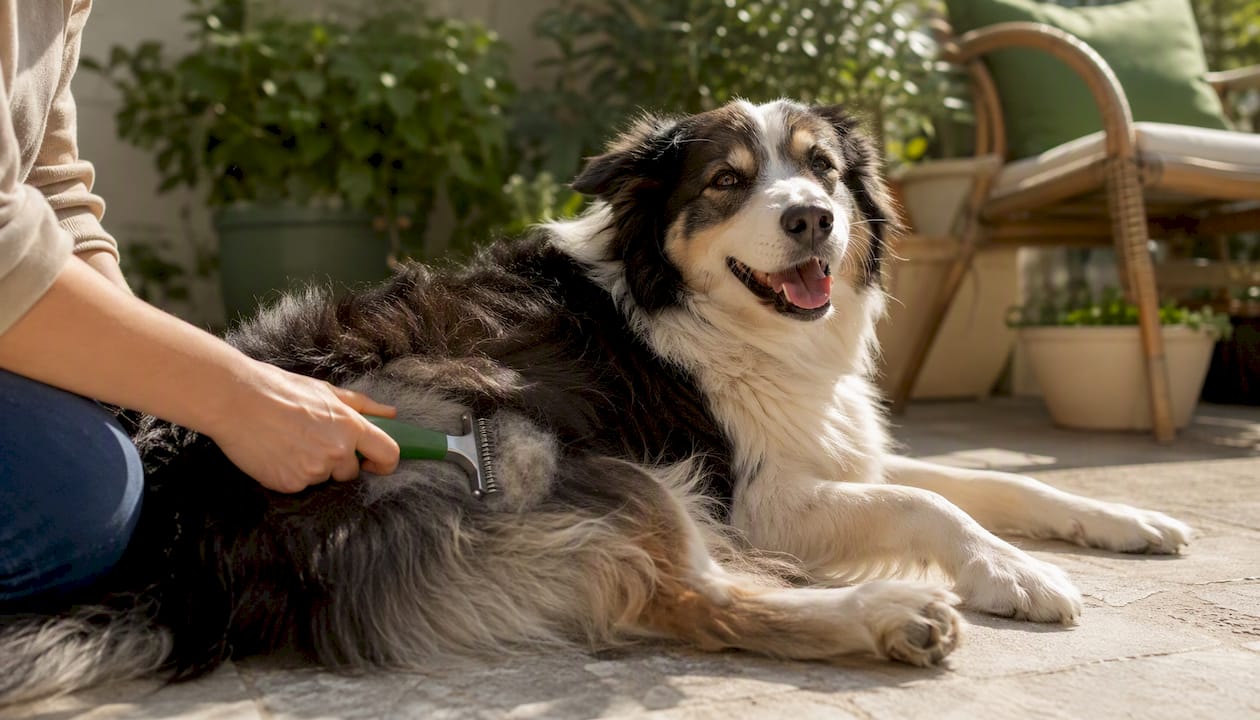
Regular brushing does more than manage shedding. It prevents mats from tightening into painful knots that trap moisture and debris against the skin, and a dog with a well-brushed coat simply needs the tub less often.
Pro Tip: Keep a de-shedding rake near the door for double-coated dogs. Two minutes after a muddy walk saves you a full bath later in the week.
Which Shampoo Should You Use for Your Dog?
Not every bath calls for the same bottle, and picking the wrong one is a common way owners accidentally cause the dry-skin problems described above.
- General cleansing shampoo: fine for most healthy dogs on a normal schedule.
- Moisturizing or conditioning formulas: better for dry climates, winter months, or dogs prone to flaky skin. A oatmeal-based conditioner after washing helps replace oils stripped during the bath.
- De-shedding shampoo: useful during seasonal coat blowouts on double-coated breeds.
- Flea and tick wash: helps with parasite control, though vet guidance matters for dogs with existing skin sensitivities.
- Medicated shampoos: prescribed for conditions like dermatitis or fungal infections, and these require the most care in how they’re used.
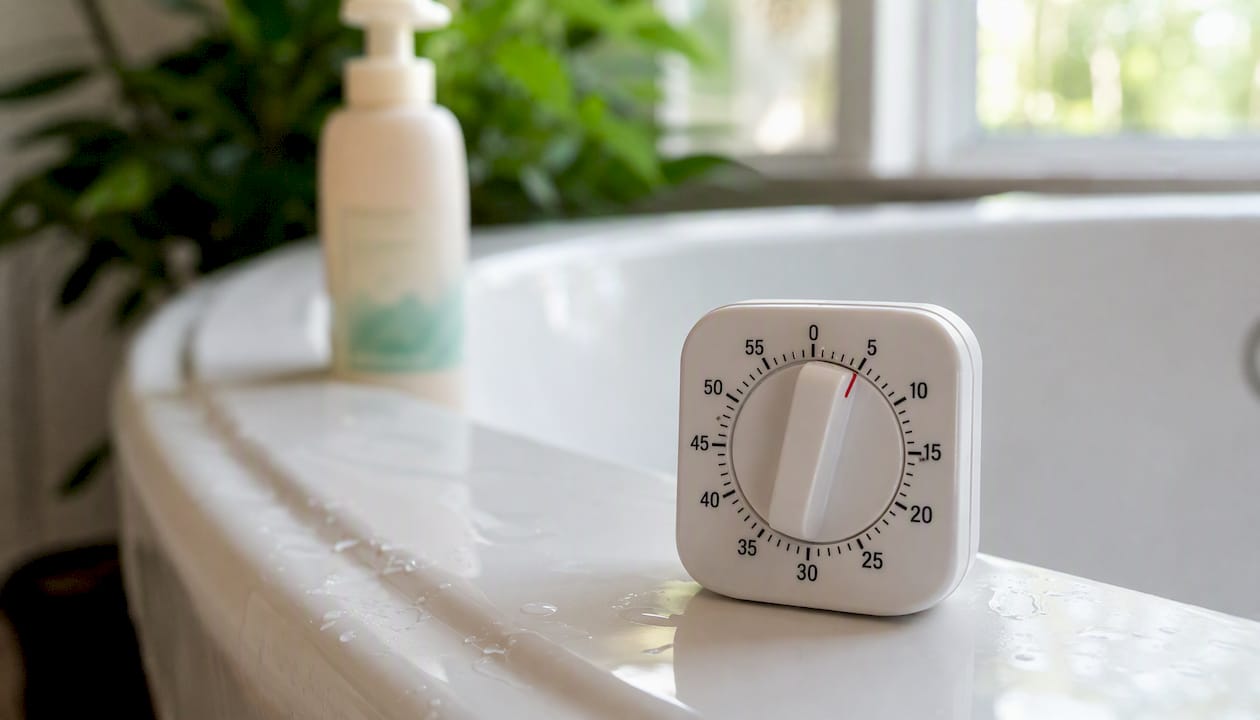
Medicated formulas aren’t a “lather and rinse” product. Many require a defined contact time, often around five minutes, before rinsing for the active ingredients to actually work.
Pro Tip: Set a timer during medicated baths. Rinsing too early is the most common reason these shampoos don’t work as well as they should.
When Should You See a Vet or Groomer?
Some signs mean it’s time to stop guessing and get professional input. Persistent skin lesions, bleeding, a sudden change in odor, severe matting, or repeated ear infections all warrant a vet visit rather than another home bath.
- Ask a groomer if they’ve worked with your dog’s specific coat type before booking.
- Confirm whether they handle medicated baths if your dog needs one.
- Ask what prep, like pre-brushing out mats, they expect you to do beforehand.
Only a vet can prescribe medicated shampoos and set the treatment schedule that actually resolves an underlying skin issue.
Is It Time for Your Dog’s Bath? Quick Checklist
Run through this before you decide between a quick wipe-down and a full bath:
- Visible dirt or odor: yes means bath time; faint smell alone might just need a wipe.
- Rolled in something smelly: full bath, no shortcuts.
- Visible mats: brush first, then bathe to avoid tightening them.
- Post-swim salt or grime: rinse at minimum, full bath if it’s saltwater.
- Your allergies flaring: a bath helps you, but check if your dog actually needs one too.
A Groomer’s Perspective on Coat-Specific Bathing
Every coat type behaves differently under water and a brush, and the biggest mistake owners make is treating a double coat like a single coat or vice versa. Petbite’s certified groomers work with everything from hairless breeds to heavily matted rescues, and that range of experience shapes the practical advice in this guide more than any single rulebook.
How Petbite Makes Bath Day Easier
Getting the shampoo right matters as much as the schedule, and that’s where a lot of home bathing routines fall short. Petbite carries sensitive-skin formulas, moisturizing conditioners, and de-shedding tools built for the coat types covered above, and if you’re within 3 kilometers of the Orléans store, same-day delivery means you’re not stuck mid-bath without the right bottle.

If DIY bathing isn’t your thing, or your dog’s coat needs more attention than a home routine can manage, Petbite’s certified groomers have handled over 500 dogs with a 5 star average rating, and they know how to work with everything from double coats to corded breeds without the stress. Book a professional grooming session online or shop grooming essentials for your next at-home bath.
Frequently Asked Questions
What is the 7-7-7 rule for dogs? The 7-7-7 rule is a puppy socialization guideline, not a bathing rule. It has nothing to do with dog bathing frequency, though it often comes up in the same search results because it involves early-age puppy care.
What’s the best time of day to bathe a dog? Morning or early afternoon works best, giving a dog’s coat time to fully dry before evening. This matters more for long or double coats, where trapped moisture overnight can lead to skin irritation.
What counts as overbathing a dog? Overbathing means washing more often than a dog’s coat and skin can handle, which strips natural oils and disrupts the skin barrier. Signs include flaky skin, dullness, and odor returning faster than it used to.
Can I bathe my dog weekly? Weekly bathing suits hairless breeds or dogs under a vet-directed medicated regimen, but it’s too frequent for most double-coated or short-haired dogs. Watch for dry skin as a signal to space baths out further.
Sources
- How Often Should You Bathe Your Dog? | PetMD
- How Often Should You Wash Your Dog? — American Kennel Club
- Dog grooming tips | ASPCA
- How Often Should You Bathe Your Dog? | Hill’s Pet
- DailyMed — medicated shampoo prescribing information